
Wisdom Teeth Removal in South Lake Tahoe, CA
Gentle, safe third molar extractions — including coronectomy options when full removal isn’t ideal.
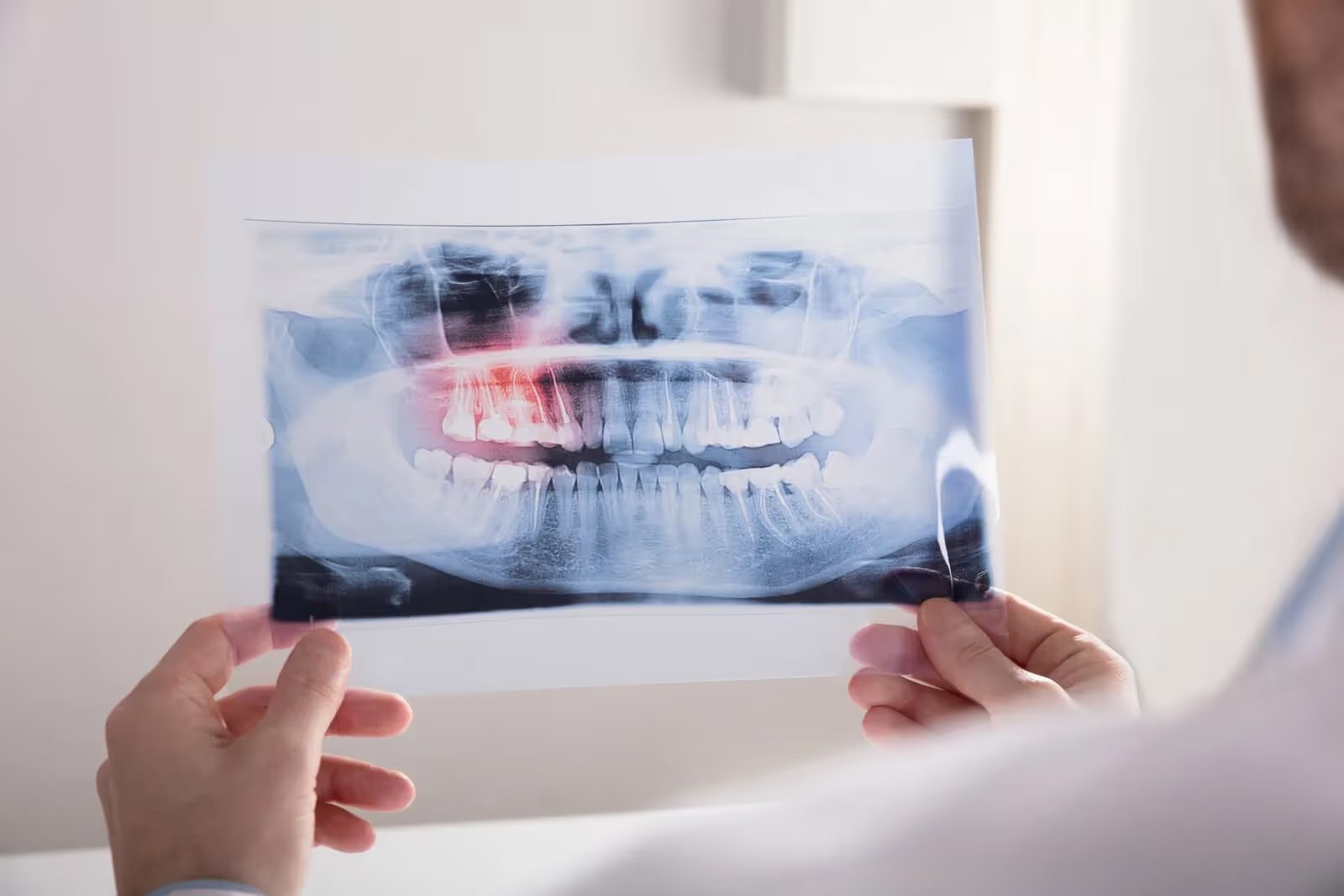
Get clear, individualized guidance for painful, impacted, infected, or difficult-to-clean wisdom teeth at The Smile Shop South Lake Tahoe. Our dental team evaluates teens and adults to determine whether monitoring, extraction, coronectomy, or specialist referral is appropriate.
Wisdom teeth, also called third molars, are the last teeth to develop at the back of the mouth. Some erupt normally and remain healthy, while others become trapped beneath the gum or bone, emerge only partially, or contribute to pain and infection.
Clear Guidance for Wisdom Tooth Pain and Impacted Third Molars
Wisdom teeth removal is a procedure used to remove one or more third molars when they are causing symptoms, developing disease, damaging nearby structures, or becoming difficult to maintain.
At The Smile Shop Tahoe, treatment begins with an examination and dental imaging. Not every wisdom tooth needs to be removed. Healthy teeth that have erupted properly, remain free of disease, and can be cleaned effectively may sometimes be monitored instead.
Patients seeking wisdom teeth removal in South Lake Tahoe, CA receive recommendations based on their symptoms, tooth position, medical history, imaging findings, and overall oral health.
What Are Wisdom Teeth?
Wisdom teeth are the third set of molars located at the back of the upper and lower jaws. They commonly develop during the late teenage years or early adulthood, although timing varies.
A wisdom tooth may:
- Erupt fully into a functional position
- Erupt only partially through the gum
- Remain beneath the gum tissue
- Become trapped within the jawbone
- Grow toward a neighboring tooth
- Develop at an angle that makes cleaning difficult
An impacted tooth is one that cannot emerge normally because of limited space, its angle, surrounding bone, or nearby teeth. Impaction alone does not always mean removal is necessary, but it may increase the need for ongoing evaluation.
When Should Wisdom Teeth Be Removed?
Wisdom teeth may be considered for removal when they are associated with:
- Recurrent pain or swelling
- Infection or inflammation around a partially erupted tooth
- Decay that cannot be predictably treated
- Damage to the neighboring molar
- Food and plaque becoming trapped behind the back teeth
- Difficulty brushing or flossing the area
- Cysts or other changes around the tooth
- Gum disease affecting the wisdom tooth or adjacent molar
- Other clinical concerns identified during examination or imaging
Wisdom teeth are not routinely removed solely because they are present. The decision should account for current disease, future risk, surgical complexity, and the patient’s preferences.
Symptoms That May Need Prompt Evaluation
Schedule a dental evaluation if you notice:
- Pain behind the back molars
- Swollen, red, or tender gum tissue
- Jaw soreness or difficulty opening your mouth
- A bad taste or drainage near a wisdom tooth
- Repeated gum infections
- Facial swelling
- Pain while chewing
- Persistent pressure at the back of the mouth
Fever, rapidly increasing swelling, difficulty swallowing, or difficulty breathing may require urgent attention. Contact our emergency dental care team for guidance when symptoms are severe or worsening.
Who Is a Good Candidate for Wisdom Teeth Removal?
Removal may be appropriate for teens or adults who have:
- Painful wisdom teeth
- Impacted or partially erupted third molars
- Recurrent infection around the gums
- Decay affecting a wisdom tooth
- Damage to an adjacent molar
- A cyst or other concerning finding
- Wisdom teeth that cannot be cleaned adequately
- Medical health that permits the planned procedure
A dental examination is required because treatment needs can differ even when patients have similar symptoms.
Who May Not Need Immediate Removal?
Monitoring may be considered when wisdom teeth are:
- Fully erupted
- Healthy and free from decay
- Surrounded by healthy gum tissue
- Positioned without damaging nearby teeth
- Easy to brush and floss
- Not associated with pain, infection, or other disease
Immediate removal may also be postponed when a patient needs medical clearance, has an active health condition that should be stabilized first, or has a tooth position that requires specialist evaluation.
How Wisdom Teeth Are Evaluated
Dental Examination
The dentist reviews your symptoms, dental history, medical conditions, medications, and previous treatment. The area is examined for swelling, infection, decay, eruption pattern, and the health of nearby teeth.
Wisdom teeth may also be monitored during routine dental exams.
Dental Imaging
X-rays help the dentist assess:
- Tooth position
- Root development
- Surrounding bone
- Nearby teeth
- Upper-jaw sinus anatomy
- Proximity to important nerves
Additional imaging may be recommended when the relationship between the roots and nearby structures requires closer evaluation.
Treatment Planning
The dentist may recommend:
- Continued monitoring
- Full extraction
- Coronectomy
- Treatment of an active infection
- Referral to an oral and maxillofacial surgeon
The expected benefits, limitations, risks, and recovery considerations should be reviewed before treatment.
What Is an Impacted Wisdom Tooth?
An impacted wisdom tooth is unable to erupt fully into a normal position. It may remain beneath bone, beneath gum tissue, or partially exposed in the mouth.
Common positions include:
- Vertical
- Angled toward the neighboring molar
- Angled toward the back of the jaw
- Horizontal
- Fully encased in bone
Partially erupted wisdom teeth can create a space where bacteria and food collect. This may contribute to gum inflammation, infection, decay, or damage to the tooth in front.
What Is a Coronectomy?
A coronectomy is a procedure in which the crown of a lower wisdom tooth is removed while part of the roots is intentionally left in place.
It may be considered when imaging suggests that the tooth roots are very close to the inferior alveolar nerve, which supplies sensation to areas of the lower lip and chin. Removing the entire tooth in these cases may carry a higher risk of nerve injury.
A coronectomy is not appropriate for every patient or every impacted tooth. Important considerations include:
- Tooth and root position
- Presence of infection or decay
- Root movement
- Patient age and health
- Ability to return for monitoring
- Overall surgical complexity
Retained roots may move over time and occasionally require additional treatment. Complex cases may be referred to a specialist.
What to Expect During Wisdom Teeth Removal
1. Preoperative Review
Before treatment, the dentist reviews your health history, medications, allergies, imaging, and procedure instructions. Tell the office about blood thinners, pregnancy, heart conditions, diabetes, and any recent changes in your health.
2. Anesthesia Planning
Local anesthesia is used to numb the treatment area. Other comfort or sedation options depend on the procedure, the patient’s health, case complexity, and the services available or arranged for treatment.
3. Tooth Removal
For a fully erupted tooth, the dentist may gently loosen and remove it. An impacted tooth may require an incision in the gum, limited bone removal, or sectioning of the tooth into smaller pieces.
For a planned coronectomy, the crown is removed while selected root portions remain.
4. Site Management
The treatment area is cleaned, and stitches may be placed when appropriate. Gauze is positioned to support clot formation and manage initial bleeding.
5. Recovery Instructions
Before you leave, the dental team reviews:
- Bleeding control
- Swelling management
- Food and drink choices
- Oral hygiene
- Medication directions
- Activity restrictions
- Warning signs
- Follow-up recommendations
Related procedures are described on our tooth extraction services in South Lake Tahoe page.
Wisdom Teeth Removal Recovery Timeline
Recovery differs according to the number of teeth removed, impaction depth, surgical complexity, age, general health, and how closely aftercare instructions are followed.
Day of Treatment
Some bleeding, soreness, numbness, and swelling are expected. Rest, use gauze as directed, and avoid strenuous activity.
First Two to Three Days
Swelling may increase before it begins to improve. Eat soft foods and avoid disturbing the blood clot. Use cold compresses and medications only as directed.
First Week
Many patients gradually resume normal routines as discomfort and swelling decrease. Return to exercise and physically demanding work according to your comfort and the dentist’s instructions.
Longer-Term Healing
Gum and bone healing continue after the initial symptoms improve. Surgical sites may require several weeks or longer to heal fully. Coronectomy cases may need periodic imaging to monitor retained roots.
Wisdom Teeth Removal Aftercare
Proper aftercare supports healing and reduces avoidable complications.
Follow these general guidelines unless your dentist gives different instructions:
- Bite on gauze for the recommended period
- Take medications exactly as directed
- Eat soft, nourishing foods
- Drink fluids without using a straw
- Avoid smoking and vaping
- Do not spit or rinse forcefully during early healing
- Clean nearby teeth carefully
- Avoid touching the site with your fingers or tongue
- Limit strenuous activity
- Attend recommended follow-up visits
Call the office if pain worsens after initially improving, bleeding remains heavy, swelling continues to increase, or you develop fever, drainage, difficulty swallowing, or difficulty breathing.
Risks and Possible Complications
Wisdom tooth extraction is a common dental procedure, but all surgical care involves risks. Potential complications include:
- Pain and swelling
- Bleeding
- Dry socket
- Infection
- Delayed healing
- Injury to nearby teeth or restorations
- Sinus communication involving an upper wisdom tooth
- Temporary or persistent altered sensation
- Retained root fragments
- Jaw stiffness
- Need for additional treatment
- Need for specialist care
Risk varies according to tooth position, root shape, age, health, smoking or vaping, and procedure complexity. The dentist should also consider the risks of leaving a diseased or damaging wisdom tooth untreated.
Wisdom Teeth Removal vs. Monitoring
Removal
Removal may be recommended when a wisdom tooth is painful, infected, decayed, damaging a nearby tooth, or associated with other disease.
Potential advantages include addressing the source of the current problem and making the area easier to maintain. Removal also involves a recovery period and possible surgical complications.
Monitoring
Monitoring may be appropriate for healthy, symptom-free wisdom teeth that are not damaging surrounding structures.
Monitoring may include periodic examinations and imaging. It does not guarantee that the tooth will remain problem-free, and treatment may be recommended later if conditions change.
How the Decision Is Made
The recommendation may depend on:
- Symptoms
- Eruption and impaction
- Root development
- Position near nerves or sinuses
- Condition of the adjacent tooth
- Ability to clean the area
- Medical history
- Age
- Imaging findings
- Patient preferences
Alternatives and Referral Options
Depending on the diagnosis, alternatives may include:
- Continued observation
- Improved cleaning around a partially erupted tooth
- Treatment of localized gum inflammation
- Restorative treatment when appropriate
- Coronectomy
- Referral to an oral and maxillofacial surgeon
- Temporary management of infection before definitive care
Antibiotics may sometimes be prescribed for a spreading bacterial infection, but medication alone does not correct an impacted or repeatedly infected tooth.
Cost of Wisdom Teeth Removal in South Lake Tahoe, CA
The cost of treatment varies according to:
- Number of teeth removed
- Fully erupted versus impacted teeth
- Degree of surgical complexity
- Imaging requirements
- Type of anesthesia or sedation
- Full extraction versus coronectomy
- Insurance or Medi-Cal benefits
- Need for specialist referral
- Follow-up needs
A dental evaluation is necessary before the office can provide an individualized estimate. Patients searching for wisdom teeth extraction near me should consider not only cost, but also the diagnosis, provider recommendations, treatment setting, and expected follow-up care.
Insurance, Medi-Cal, and Payment Options
The Smile Shop accepts Medi-Cal. Coverage for wisdom teeth treatment depends on eligibility, clinical necessity, benefit limitations, authorization requirements, and the services included in the treatment plan.
Review our Medi-Cal dental information for additional details. The office can review available benefit information, but final payment decisions are made by the patient’s dental plan.
For out-of-pocket expenses, patients may also review financing and membership options. Financing approval, terms, and treatment eligibility may vary.
Wisdom Tooth Care at The Smile Shop
Smile Shop South Lake Tahoe provides general and preventive dental care for patients throughout the Lake Tahoe region. Dr. Tommy Rutner and Dr. Robert Rutner use examinations, dental imaging, and individualized treatment planning to help patients understand their options.
Treatment recommendations are based on the clinical condition of the wisdom teeth, surrounding structures, medical history, and case complexity. When a procedure requires specialist care, referral may be recommended.
Patients can meet Dr. Robert Rutner and learn more about his education and experience.
Serving South Lake Tahoe and Nearby Communities
The Smile Shop South Lake Tahoe is located at 3461 Lake Tahoe Blvd, South Lake Tahoe, CA 96150.
Our primary service area is South Lake Tahoe, and we also welcome patients who travel from:
- Meyers, CA
- Kyburz, CA
- Tahoe City, CA
- Tahoe Vista, CA
- Camino, CA
- Stateline, NV
- Zephyr Cove, NV
- Other nearby Lake Tahoe communities
Our office is located only in South Lake Tahoe. References to surrounding communities indicate areas from which patients may choose to travel and do not represent additional practice locations.
Patients searching for a smile shop near me can contact our South Lake Tahoe office directly to confirm appointment availability and treatment needs.
Frequently Asked Questions
How do I know whether my wisdom teeth need to be removed?
Wisdom teeth may need removal when they cause pain, swelling, infection, decay, gum disease, or damage to a nearby tooth. Impacted teeth may also require treatment when they are associated with disease. Some healthy, symptom-free wisdom teeth can be monitored with regular examinations and dental imaging.
How long does recovery take after wisdom teeth removal?
Initial soreness and swelling often improve gradually over several days, but recovery varies. Impacted teeth, multiple extractions, age, health, and procedure complexity can affect healing. Gum and bone continue to heal after normal activities resume, so patients should follow their dentist’s aftercare and activity instructions.
What is a coronectomy, and when is it considered?
A coronectomy removes the crown of a lower wisdom tooth while leaving selected roots in place. It may be considered when the roots are positioned close to an important nerve. It is not appropriate for every case, and retained roots require monitoring because movement or additional treatment may occur later.
What are the risks of wisdom tooth extraction?
Possible risks include pain, swelling, bleeding, dry socket, infection, delayed healing, sinus complications, and injury to nearby teeth or nerves. The likelihood varies according to tooth position and procedure complexity. Your dentist should review the risks that apply to your case before treatment.
Does Medi-Cal cover wisdom teeth removal?
Medi-Cal may cover wisdom teeth treatment when eligibility, clinical necessity, and program requirements are met. Coverage can depend on tooth condition, procedure type, authorization, and provider participation. The Smile Shop can review available benefit information before treatment, but the dental plan makes the final coverage decision.
Lorem ipsum dolor sit amet, consectetur adipiscing elit, sed do eiusmod tempor incididunt ut labore et dolore magna aliqua. Ut enim ad minim veniam, quis nostrud exercitation ullamco laboris nisi ut aliquip ex ea commodo consequat. Duis aute irure dolor in reprehenderit in voluptate velit esse cillum dolore eu fugiat nulla pariatur.
Proudly Serving South Lake Tahoe & Beyond
As a locally rooted dental practice, we’re proud to care for the people who make Tahoe the vibrant, outdoor-loving, tight-knit community it is. Whether you live in South Lake Tahoe or commute from nearby areas like Stateline, Meyers, Tahoma, Zephyr Cove, or Gardnerville, our team is here to welcome you with open arms — and clear answers.

.avif)